+1 (430) 999-3121
  +33 (0)4 82 82 97 97

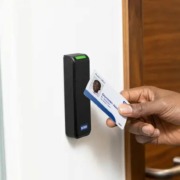
In many SMEs, access control systems evolve very little over time. Yet, in a context where threats are increasing and regulatory requirements are becoming stricter, keeping an existing system without upgrading it is becoming a real risk factor. Today, access security can no longer rely on outdated technologies or practices.
Legacy systems are becoming increasingly vulnerable
Many companies are still using older technologies, such as low-frequency badges or poorly secured systems. Although these solutions may still be operational, they present significant vulnerabilities. In particular, they are easier to clone or misuse, which considerably increases the risk of intrusion.
Beyond the technology itself, the lack of updates and supervision creates a form of “technological debt.” Aging systems become more difficult to maintain, less compatible with new standards, and often unable to meet today’s cybersecurity requirements.
In this context, keeping a system in place simply because it still works can create an illusion of security, while vulnerabilities gradually increase.
Regulatory and security challenges are changing rapidly
SMEs are now directly affected by the evolution of the regulatory framework, particularly with directives such as NIS2, which strengthen requirements for the security of both physical and digital systems.
Access control is no longer limited to opening or closing a door. It is now part of a broader security approach, integrating identity management, access traceability, and the protection of critical infrastructure.
In addition, cyberattacks are increasingly targeting SMEs, which are often perceived as less well protected. Insufficient access management can become a major entry point for compromising the entire information system.
Failing to upgrade your system therefore exposes your company to operational, financial, and legal risks.
Modernizing access control to secure the company over the long term
Faced with these challenges, modernizing access control is becoming a strategic priority. Recent solutions integrate advanced technologies such as mobile credentials, biometrics, and secure protocols, helping to strengthen protection while improving the user experience.
They also offer better interoperability with the company’s other systems, making centralized and more efficient access management easier.
For SMEs, this is not simply about replacing equipment, but about adopting a comprehensive approach that can support changes in usage, hybrid work, and security requirements.
The status quo is no longer an option. Upgrading your access control system today means securing your business, protecting your data, and anticipating tomorrow’s challenges.
Source: https://blog.hidglobal.com/fr/controle-dacces-en-pme-pourquoi-le-statu-quo-devient-risque