+1 (430) 999-3121
  +33 (0)4 82 82 97 97
  +971 (0)45 477 282
SIGMA Wide: how to prepare for the transition to SigmaTouch Pro
The discontinuation of SIGMA Wide marks the start of a transition that should be planned before the final ordering and delivery deadlines. For organisations already using these terminals, the challenge goes beyond replacing a device: it involves maintaining access control continuity, checking integrations and planning the migration without disrupting users.
Add the transition to your roadmap now
In its official end-of-sale notice, dated 15 June 2026, IDEMIA sets 15 October 2026 as the last order date for SIGMA Wide, followed by 15 December 2026 as the last delivery date. The product’s end of life is scheduled for 15 December 2028. These milestones allow time to prepare, but organisations should promptly distinguish between short-term purchasing needs and a broader replacement project.
Waiting until the product is no longer available before starting the assessment can put unnecessary pressure on stock availability, validation timelines and on-site work. A phased roadmap helps prioritise critical access points, allow sufficient time for testing and coordinate reader replacement with other security system upgrades.
Start by mapping your installed devices and their dependencies
The first step is to build an accurate inventory: the number of terminals, sites involved, biometric or card-based uses, user numbers, connection methods and environmental constraints. Technical dependencies must also be identified, including controllers, management systems, protocols, power supplies, cabling, cybersecurity policies and enrolment procedures.
This assessment provides a system-wide view. Two identical readers can serve very different purposes depending on their location, operational importance and the volume of people passing through. It also helps classify devices for priority replacement, temporary retention or migration as part of another scheduled project.
Assess SigmaTouch Pro against your actual requirements
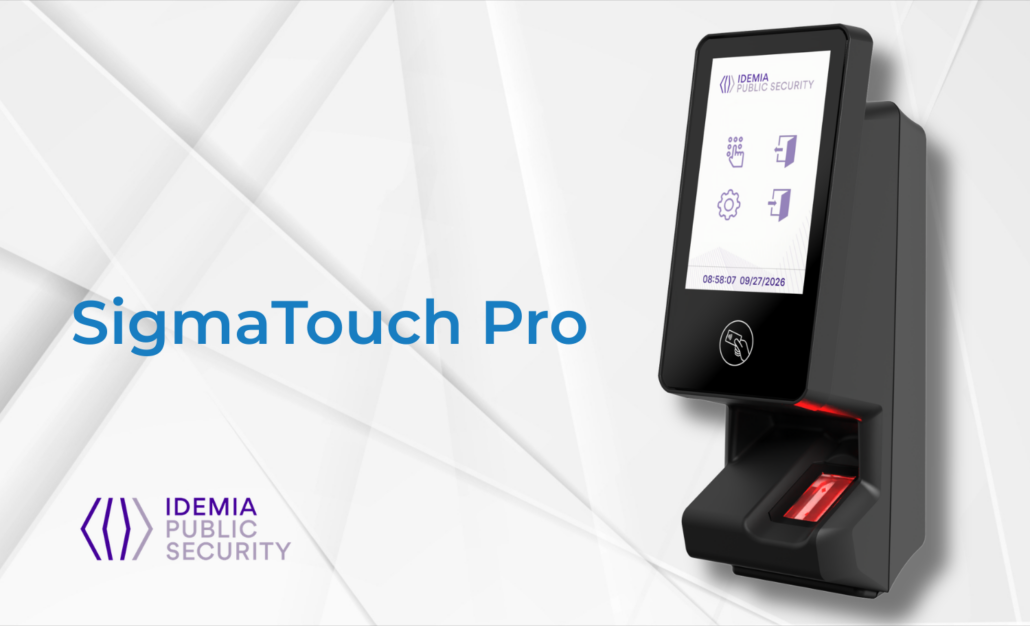
Positioned as the successor to SIGMA Wide, SigmaTouch Pro combines several authentication methods — fingerprint, card, mobile and PIN — with a 3.5-inch touchscreen. The SigmaTouch Pro product page also highlights a standard capacity of 50,000 users, expandable to 100,000, alongside security features such as secure boot, signed firmware and AES-256 encryption. OSDP connectivity, PoE and IP65 and IK07 ratings support a range of installation environments.
However, the aim is not to automatically replace every SIGMA Wide with the same model. For smaller sites or lower capacity requirements, SigmaTouch Go may be another option to consider. The choice should reflect user numbers, identification methods, installation conditions, integration requirements and the expected service life.
Validate the migration with a pilot before a phased rollout
Before a full rollout, a pilot at a representative site helps validate real-world operation: compatibility with the existing architecture, throughput, enrolment, event reporting, fallback scenarios and administration. Acceptance criteria should be defined in advance so that results can be assessed against measurable requirements.
Once the pilot has been approved, deployment can proceed in planned phases: critical sites, locations with limited redundancy, then less complex installations. Each phase should include a rollback window, configuration backups, post-commissioning checks and appropriate communication with operations teams. This approach reduces the risks associated with a large-scale change and allows lessons from each phase to inform the next.
Turn a product deadline into a controlled migration project
The transition from SIGMA Wide to a new generation of readers is an opportunity to reassess how the installed devices are used, their capacity, protocols and security requirements. Using the official deadlines, an accurate inventory and a documented pilot, organisations can decide between retaining existing equipment, purchasing additional units and migrating to new readers without rushed decisions.
To assess the options suited to your installation and prepare a realistic transition plan, contact Biotime Biometrics.